Bespoke Tailored Suits: The Ultimate Guide to Custom Menswear Excellence

Santoba Tailors
Bespoke Guide
2025
Table of contents
No items found. Apply ArticleOverride to your article frame and/or IntroOverride → ToCItem to external blocks.
What Are Bespoke Tailored Suits
True bespoke tailoring represents the highest form of garment creation, where each suit is crafted entirely from scratch using the client’s individual measurements and style preferences. The term “bespoke” derives from the verb “bespeak,” meaning to order in advance, signifying that every element of the garment is commissioned specifically for one person.
The historical origins of bespoke tailoring trace back to London’s famous Savile Row in the 1800s, where master tailors established the gold standard for custom menswear. These skilled artisans developed techniques and traditions that continue to influence bespoke tailors worldwide, creating an elegant silhouette that has remained timeless for over two centuries.
Bespoke vs Made-to-Measure vs Off-the-Rack
The b
espoke tailoring process requires extraordinary attention to detail, with each garment demanding 60–100 hours of skilled craftsmanship. Master tailors create individual patterns for every client, ensuring that the finished suit accommodates not just body measurements but also posture, movement preferences, and lifestyle requirements.
Key characteristics that define authentic bespoke suits include hand-cut fabric pieces, floating canvas construction, hand-sewn buttonholes (taking 4–6 hours each), and pick-stitched lapels. These elements combine to create a garment that drapes naturally, moves with the wearer, and maintains its shape for decades with proper care.
The difference between bespoke and custom suits often causes confusion. While “custom suit” can refer to any personalized garment, true bespoke represents the most exclusive tier, where every pattern piece is created uniquely for the individual client rather than modified from existing templates
The Bespoke Tailoring Process
Initial Consultation and Design
The bespoke journey begins with an extensive consultation where skilled tailor and client collaborate to define the perfect garment. During this crucial first meeting, the tailor assesses your personal style preferences, lifestyle requirements, and the specific occasions where you’ll wear the suit.
This consultation covers essential style decisions including lapel types (notched, peaked, or shawl), button stance (single or double-breasted), jacket length, and trouser fit preferences. The process starts with understanding whether you need a business suit for professional environments, a formal dinner jacket for evening events, or a wedding suit for special occasions.
Experienced bespoke tailors guide clients through their portfolio of previous work, helping establish realistic timeline expectations. A quality tailor shop will invest significant time in this phase, as proper planning ensures customer satisfaction throughout the creation process.
The consultation also addresses practical considerations such as climate requirements, travel needs, and wardrobe integration. For instance, a client requiring a bespoke suit tailored urgently for an important business meeting will need different scheduling than someone planning a wedding suit months in advance.
Fabric Selection and Customization
Fabric selection represents one of the most exciting aspects of the bespoke experience, offering access to the world’s finest materials from prestigious mills. Premium suppliers like Loro Piana, Ermenegildo Zegna, Holland & Sherry and Dormeuil provide exceptional quality fabrics that form the foundation of your perfect garment.
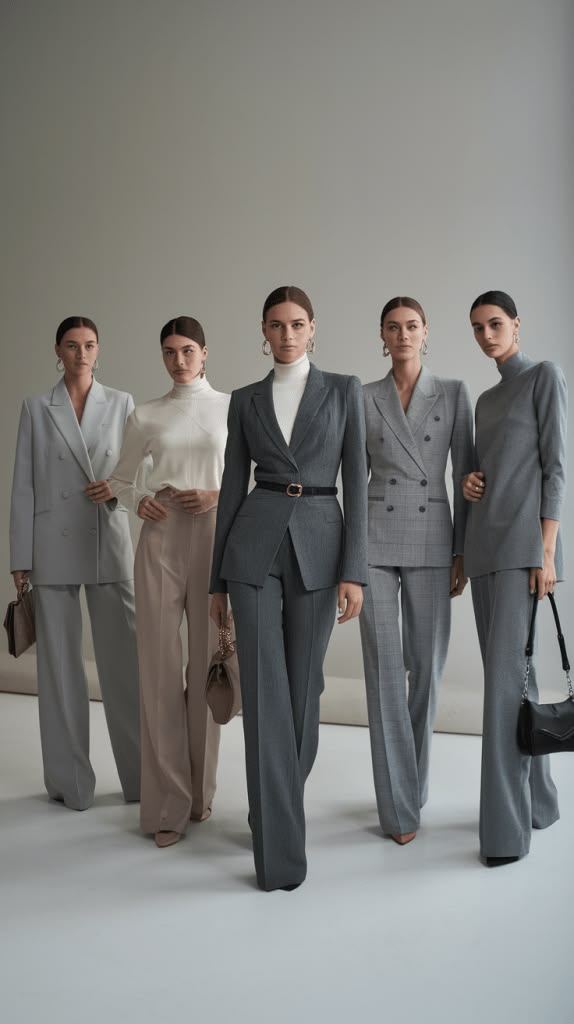
Seasonal considerations play a crucial role in fabric choices. Lightweight wools and linen blends suit warmer climates and spring/summer wear, while heavier tweeds and cashmere provide warmth and texture for autumn and winter occasions. The best tailors maintain extensive fabric libraries, offering hundreds of options in various weights, patterns, and compositions.
Pattern selection ranges from classic solids for versatile business wear to sophisticated stripes, checks, herringbone, and windowpane designs for more distinctive styling. Color coordination becomes essential, with expert advice helping match fabric choices to skin tone, hair color, and existing wardrobe pieces.
Fabric quality directly impacts the final product’s appearance, feel, and longevity. High-quality fabrics not only provide superior drape and comfort but also age gracefully, developing character while maintaining their elegant appearance.
Customization options extend beyond basic fabric selection to include lining choices, button materials, and thread colors. These subtle details contribute significantly to the garment’s overall character and the wearer’s unique style expression.
Measurement Taking and Pattern Creation
The measurement process distinguishes bespoke tailoring from all other forms of garment creation. Skilled tailors take 30+ precise measurements, carefully noting body asymmetries, posture characteristics, and movement preferences that influence the final fit.
Unlike made-to-measure services that modify standard patterns, bespoke tailors create entirely new patterns for each client. This individual pattern creation accommodates unique body proportions and ensures a perfect fit that cannot be achieved through standard sizing adjustments.
The measurement session typically requires 45–60 minutes, during which the tailor records not just numerical measurements but also observes how you stand, move, and carry yourself. These observations inform pattern adjustments that create a suit tailored to your specific body shape and movement patterns.
Digital measurement recording has modernized this traditional process, allowing tailors to maintain detailed client profiles for future orders. This technology enables the creation of multiple garments with consistent fit while accommodating any physical changes over time.
Construction and Craftsmanship
Hand-Cutting and Assembly
The construction phase showcases the true artistry of bespoke tailoring, beginning with master cutters who hand-cut each fabric piece using the individually created patterns. This hand-cutting process ensures optimal fabric utilization while maintaining precise pattern matching and grain alignment.
Floating canvas construction sets bespoke suits apart from fused alternatives, creating the internal structure that gives the garment its shape and longevity. This canvas, often made from horsehair and natural fibers, is carefully hand-sewn into the jacket front, allowing the suit to conform naturally to the wearer’s body while maintaining its structure.
Hand-padded lapels represent another hallmark of exceptional quality, requiring skilled artisans to shape and stitch each lapel by hand. This technique creates the subtle roll and three-dimensional appearance that distinguishes bespoke garments from machine-made alternatives.
The buttonhole creation process exemplifies bespoke attention to detail, with each buttonhole requiring 4–6 hours of meticulous hand-sewing. These functional works of art not only serve their practical purpose but also demonstrate the craftsman’s skill and commitment to perfection.
Internal construction elements include chest pieces, shoulder padding, and canvas work that remain invisible but crucial to the garment’s performance. These components work together to create a suit that moves naturally, maintains its shape, and provides the foundation for the perfect fit.
Fitting Process
The fitting process represents the collaborative refinement phase where the vision becomes reality through careful adjustments and modifications. The first fitting typically occurs 4–6 weeks after the initial order, presenting a basted garment that allows for major structural adjustments.
During the first fitting, the tailor evaluates how the garment sits on your body, checking shoulder placement, chest fit, waist suppression, and trouser proportions. This session often requires 45–60 minutes as both client and tailor assess the overall silhouette and identify areas requiring modification.
The second fitting focuses on refined adjustments, addressing details like sleeve length, trouser break, lapel width, and button positioning. These fittings allow for personalized service that ensures every element meets your exact preferences and requirements.
Between fittings, the garment undergoes careful pressing and steaming to maintain proper shape and reveal how adjustments affect the overall appearance. This attention to detail ensures that each subsequent fitting builds upon previous refinements.
The final fitting concentrates on minor tweaks and finishing touches, confirming that every aspect meets the exacting standards expected from bespoke work. This stage represents the culmination of weeks of collaboration between client and craftsman, resulting in a perfectly tailored garment.
Benefits of Bespoke Tailored Suits
Unmatched Fit: Individual pattern creation and multiple fittings deliver a fit impossible to achieve with off-the-rack or made-to-measure suits.
Superior Construction: Expert craftsmanship ensures garments last decades with proper care.
Complete Customization: Every detail reflects personal style, from fabric to lining and buttons.
Confidence Boost: A flawless fit and quality craftsmanship enhance presence and self-assurance.
Long-Term Relationship: Skilled tailors provide ongoing advice, maintenance, and future commissions.
Professional Advantages: Perfectly tailored suits convey sophistication and credibility in business settings.
Choosing the Right Bespoke Tailor
Selecting the appropriate bespoke tailor requires careful research:
Training & Experience: Verify background, apprenticeships, and mastery of bespoke techniques.
Portfolio: Review previous work for quality, style, and consistency.
Workshop Facilities: Assess equipment and workspace to ensure proper craftsmanship.
Communication: Tailors must listen and provide expert advice for a smooth process.
Location & Accessibility: Convenient location eases scheduling of multiple fittings.
Client Testimonials: Long-term client reviews provide insights into reliability and satisfaction.
Care and Maintenance
Proper care ensures bespoke garments maintain beauty and fit for decades:
Limit professional dry cleaning to 2–3 times per year.
Brush regularly to remove surface dirt.
Use quality wooden hangers to preserve shape.
Rotate suits to prevent excessive wear.
Store in climate-controlled, spacious areas with moth protection.
Minor repairs and seasonal pressing maintain appearance.
Alterations accommodate natural body changes over time.
Frequently Asked Questions
How long does the entire bespoke process take?
Typically 2-3 weeks from initial consultation to final delivery.
Can existing suits be altered to achieve a bespoke-like fit?
Skilled tailors can improve fit, but true bespoke quality requires commissioning a new suit.
What’s the difference between Savile Row tailoring and other traditions?
Savile Row is structured and conservative; Neapolitan is soft and relaxed; Hong Kong emphasizes precision and speed; American bespoke can be casual and modern.
How many suits are needed for a foundational wardrobe?
Usually 3–4 core suits: navy business, charcoal formal, light gray/blue versatile, and possibly a black dinner jacket.
What if I gain or lose weight after the suit is completed?
Minor fluctuations (10–15 lbs) can be accommodated with adjustments; major changes may require a new bespoke garment.
Explore more Blogs




Ready to Experience True Bespoke Tailoring?
Book an appointment today and let our expert tailors in Dubai craft a garment built exclusively for you.