Corporate Dress Code Dubai: What Executives Wear vs What They Should Wear

Santoba Tailors
Corporate Style
February 2026
Table of contents
No items found. Apply ArticleOverride to your article frame and/or IntroOverride → ToCItem to external blocks.
Introduction
The corporate dress code Dubai professionals follow is defined by precision, elegance and climate-aware practicality. Executives are expected to present a refined, professional appearance that reflects confidence, credibility and cultural awareness. Dubai's business culture places a strong emphasis on visual presentation, where dressing well demonstrates respect, seriousness and cultural intelligence in a diverse international environment. Cultural norms play a significant role in shaping dress expectations, with an emphasis on modesty and appropriateness in line with the city's conservative environment. In practice, many professionals wear standard business suits, but what they should wear goes beyond formality. The right business attire in Dubai balances tailored structure, breathable fabrics and an executive presence suited to the region’s corporate culture.
In a business environment shaped by global professionals, luxury brands and high-level client interaction, clothing becomes a strategic asset. Dubai's dress codes are based on cultural values that emphasize modesty and respect. What executives wear influences first impressions, authority and trust. This guide explains what professionals currently wear, what works best in Dubai’s climate and corporate culture and how tailored clothing can elevate executive style.
Dressing appropriately in Dubai is a form of politeness and is appreciated by locals.
What Is the Corporate Dress Code in Dubai?
The co
rporate dress code in Dubai is predominantly formal and conservative, especially in finance, consulting, real estate and corporate leadership roles.
Dubai's dress code reflects a blend of traditional values and modern fashion trends, creating a unique standard for professional attire in the city.
Suits, dress shirts and ties are standard for men in most corporate environments.
Women typically wear business suits, blouses, and knee-length skirts or tailored trousers.
Neutral colors and high-quality fabrics are preferred.
Dress code expectations vary based on location and situation and Dubai's dress codes vary by context.
Standard executive business attire includes:
Tailored business suits.
Dress shirts in neutral tones (long sleeves are encouraged).
Long trousers.
Polished leather shoes.
Minimal, refined accessories.
Structured silhouettes.
For men, navy, charcoal and black suits dominate the professional landscape, with long sleeves and long trousers expected to meet local modesty standards. For women, tailored suits, structured dresses and elegant formal wear are common, but it is important to cover shoulders and knees and avoid tight or see-through clothing. The emphasis is always on professionalism, neatness and subtle sophistication.
Why dress codes matter in Dubai:
Business is relationship-driven.
First impressions carry strong weight.
Executive presence signals competence.
Cultural respect is important.
What Executives Wear in Dubai Today
In business districts like Business Bay and Bur Dubai, executives often choose:
Off-the-rack business suits.
Synthetic fabric blends.
Standard fits with minimal personalization.
Many workplaces in Dubai have varying dress codes depending on the sector, with creative industries sometimes adopting more relaxed attire, while finance and legal sectors maintain traditional, formal standards.
While these choices meet basic expectations, they often miss the deeper purpose of professional dressing: creating a confident and memorable presence.
Visible tattoos in professional settings can be problematic, though attitudes are gradually shifting in Dubai.
Common patterns seen:
Suits that are too heavy for the climate
Generic fits lacking structure
Limited attention to fabric quality
These choices work functionally, but they do not elevate personal branding or comfort.
What Executives Should Wear Instead
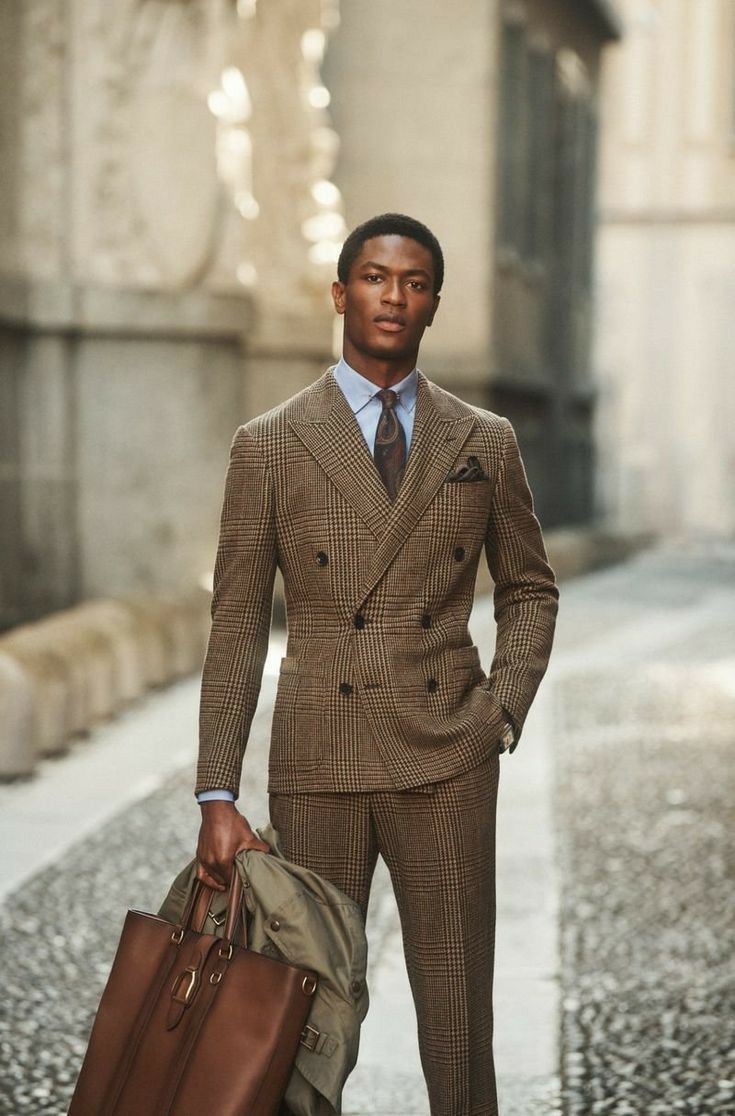
True executive style is not about following trends. It is about precision, fit, and thoughtful fabric selection.
Ideal corporate clothing for Dubai professionals:
1) Lightweight tailored suits
Breathable wool blends
Linen and cotton options
Comfortable structure for long workdays
2) Perfect fit over brand labels
Clean shoulder lines
Balanced jacket length
Trousers tailored to posture
3) Climate-aware choices
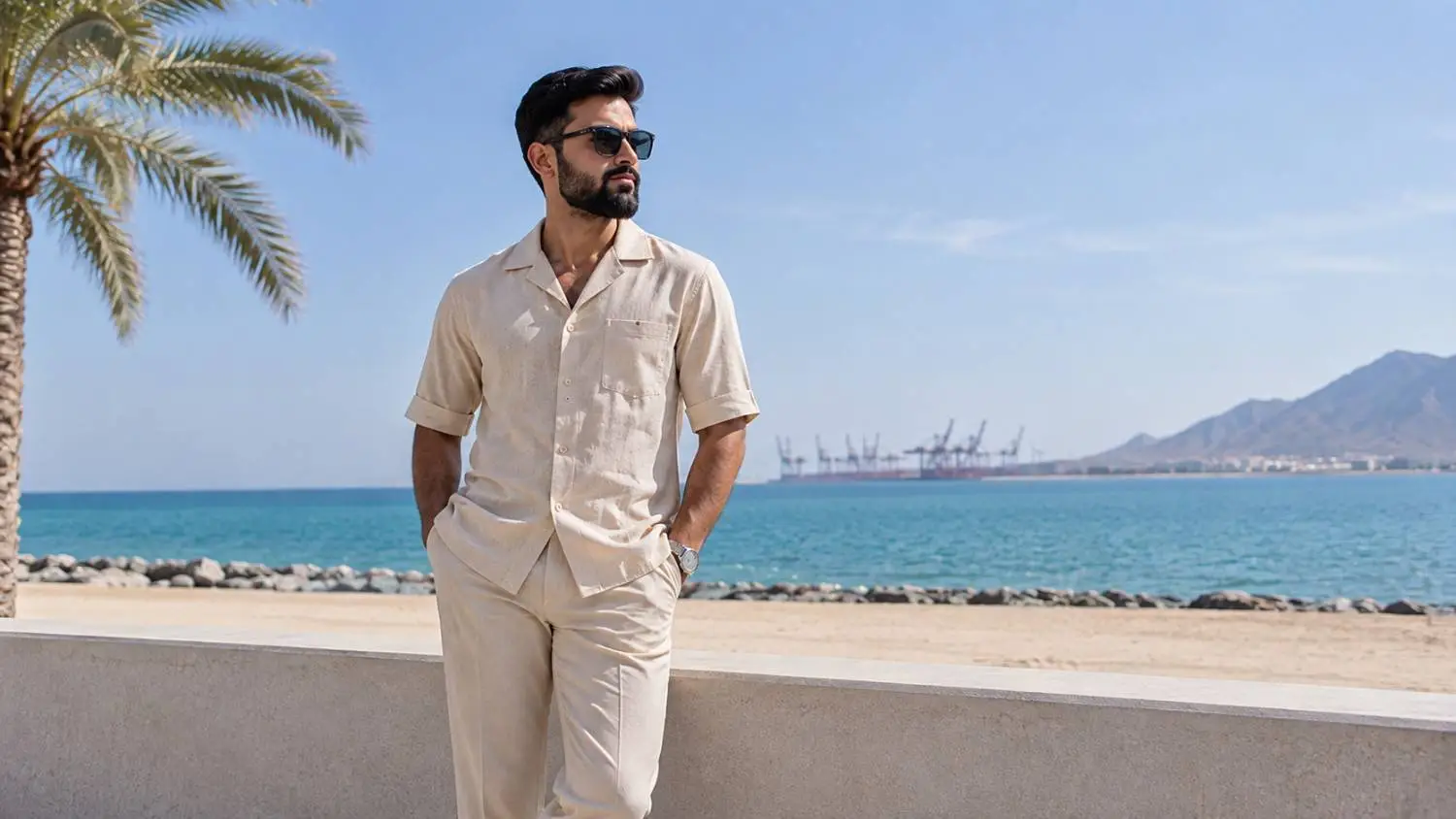
Lighter colors for daytime meetings
Soft inner linings
Fabric that adapts to indoor/outdoor transitions
When clothing fits properly and feels comfortable, confidence becomes natural. That presence is often more powerful than any accessory.
Best Corporate Suits for Dubai’s Climate
The weather in the UAE plays a significant role in dressing decisions. Heavy suits may look elegant but often become uncomfortable during daily commutes and client visits.
Recommended fabrics for executive tailoring in Dubai:
Lightweight wool blends
Linen suits for breathability
Cotton fabrics for comfort
Half-lined jackets for airflow
These choices maintain a polished appearance while allowing ease of movement and temperature balance.
How to Dress for Business Meetings in Dubai
Business meetings in Dubai are often formal, especially when dealing with senior leadership, international clients, or high-value negotiations.
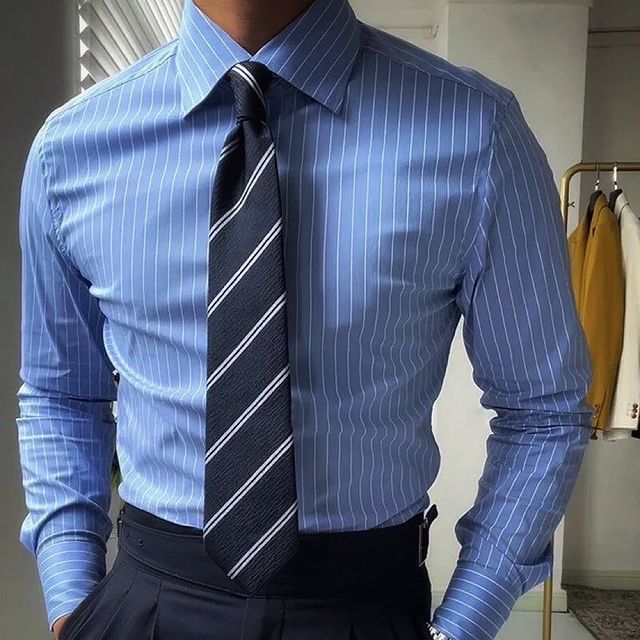
Smart dressing strategy:
Navy or charcoal suit for authority
Crisp white or light blue dress shirt
Polished Oxford shoes
Minimal accessories
For businesswomen in Dubai, strategic layering can allow for sleeveless tops in professional settings, but they should be paired with appropriate outerwear to maintain modesty and adhere to the corporate dress code.
Clothing should never distract. It should support presence and professionalism.
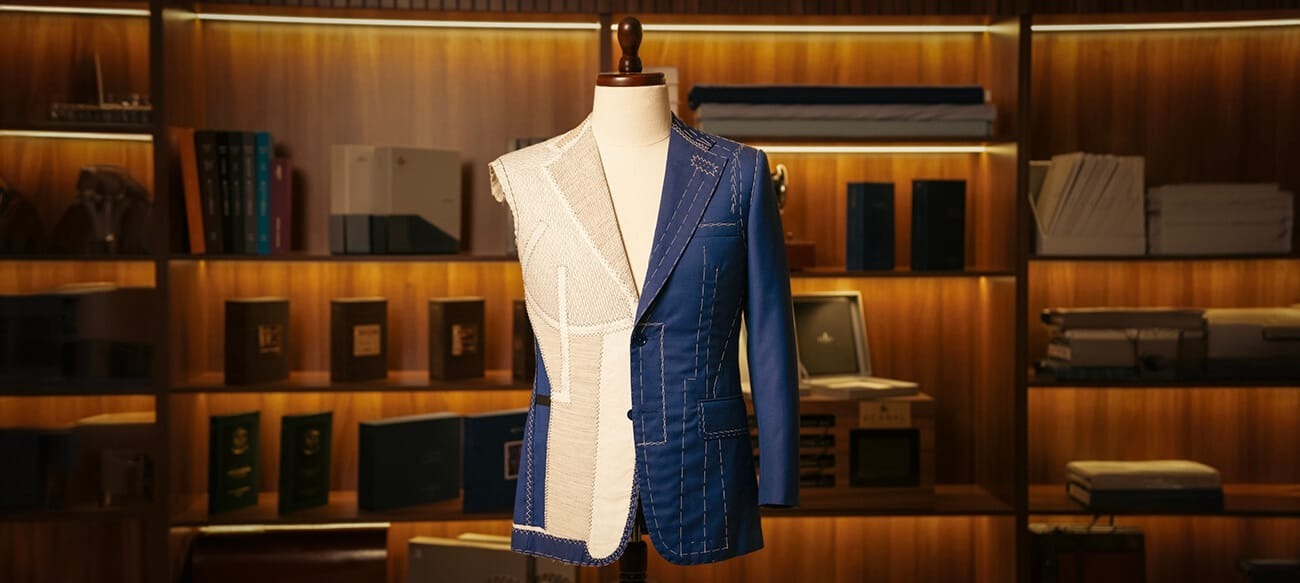
Executive Tailoring vs Ready-Made Suits
There is a visible difference between standard suits and bespoke tailoring.
Ready-made suits:
Designed for general sizing.
Often requires adjustments.
May not suit individual posture.
Tailored suits:
Built around body structure.
Balanced proportions.
Greater comfort and confidence.
In executive environments, tailored clothing creates a stronger impression because it aligns with individuality and precision.
Building a Powerful Executive Wardrobe
Professionals who dress well rarely rely on a single suit. They build a small, strategic wardrobe.
A well-curated professional wardrobe is essential in Dubai, where selecting versatile, climate-appropriate clothes ensures comfort and style in both formal and business-casual settings.
What to include in your Dubai work wardrobe
2–3 suits in classic colors (navy, charcoal, or mid-grey)
2–3 tailored shirts in white, blue, or subtle patterns
1–2 pairs of tailored trousers (for business-casual days)
1–2 blazers or sports jackets
1–2 pairs of formal shoes (oxfords or derbies)
1 pair of smart loafers or monk straps
Accessories: ties, pocket squares, cufflinks, leather belt
The climate in Dubai necessitates strategic wardrobe planning, as professionals often need to transition between air-conditioned offices and the outdoor heat, making the choice of clothes and fabrics especially important.
Foundational pieces every executive should own:
Navy suit for daily corporate wear
Charcoal suit for formal meetings
Light grey suit for daytime engagements
Neutral dress shirts for versatility
This approach creates consistency without repetition.
Subtle style details that elevate appearance:
Well-pressed garments
Clean shoe maintenance
Balanced color combinations
Proper sleeve and trouser length
These small elements often define the difference between average and exceptional presence.
Common Mistakes to Avoid
Many professionals unintentionally weaken their professional image through avoidable errors.
Wearing overly casual attire, such as jeans or sneakers, in formal business environments.
Neglecting grooming and personal hygiene, which can undermine even the best-tailored suit.
Ignoring the importance of fit ill-fitting clothing can appear sloppy and unprofessional.
For women, avoid sleeveless tops and overly tight clothing in professional settings to respect Dubai’s cultural norms and maintain a modest, respectful appearance.
Corporate Dressing in Dubai
What is the corporate dress code in Dubai for men?
Formal business attire is standard. Men are expected to wear long trousers and collared shirts or suits in professional settings. This includes tailored suits, dress shirts, formal shoes, and minimal accessories.
Can executives wear light-colored suits in Dubai?
Yes. Light grey and beige suits are suitable for daytime meetings and warm weather conditions.
Are bespoke suits common in Dubai?
Yes. Many professionals prefer tailored suits because they offer better comfort, fit, and executive presence.
What fabrics work best for corporate suits in Dubai?
Lightweight wool, cotton and linen blends are ideal due to breathability and structure.
Is a tie necessary for business meetings?
In formal settings, ties are often expected. In modern workplaces, it may vary by industry.
How many suits should an executive own?
A strong foundation includes at least three suits for rotation: navy, charcoal, and grey.
Does tailoring really make a difference?
Yes. A well-tailored suit enhances posture, confidence, and overall professional appearance.
What shoes are best for corporate attire?
Oxford and Derby shoes in black or dark brown are considered executive standards.
Explore more Blogs




Ready to Experience True Bespoke Tailoring?
Book an appointment today and let our expert tailors in Dubai craft a garment built exclusively for you.